Business Name: American Home Inspectors
Address: 323 Nagano Dr, St. George, UT 84790
Phone: (208) 403-1503
American Home Inspectors
At American Home Inspectors we take pride in providing high-quality, reliable home inspections. This is your go-to place for home inspections in Southern Utah - serving the St. George Utah area. Whether you're buying, selling, or investing in a home, American Home Inspectors provides fast, professional home inspections you can trust.
323 Nagano Dr, St. George, UT 84790
Business Hours
Monday thru Saturday: 9:00am to 6:00pm
Facebook: https://www.facebook.com/americanhomeinspectors/
Instagram: https://www.instagram.com/americanhomeinspectorsinc/
Selling a home is a series of choices under deadline pressure, each with money connected. One option that often spends for itself is purchasing a home inspection before the sign goes in the backyard. Purchasers anticipate to employ a home inspector and use that report to negotiate. When you organize your own inspection ahead of the listing, you alter the dynamic. You choose which repair work to take on, which to reveal, and how to price. You also minimize the probability of late surprises that knock an offer off track.
I have enjoyed sellers avoid weeks of stress and thousands in concessions merely due to the fact that they understood what a purchaser's inspector would find. I have actually also seen the other variation, where a last‑minute report discovers a stopping working sewer line or a hidden roofing leak, and everyone scrambles. A pre‑listing home inspection does not ensure a smooth sale, but it tilts the odds in your favor.
What a pre‑listing inspection really covers
A credible home inspection is a visual, noninvasive examination of available systems and components. Expect the home inspector to spend 2 to four hours on website for a typical single‑family home, depending upon age and size. Roofing, structure, exterior cladding, windows, attic ventilation, insulation, electrical panels and noticeable circuitry, pipes supply and drain lines, water heater, HVAC devices, and interior surfaces all get a cautious look. The inspector runs a representative sample of windows and outlets, runs the dishwashing machine, checks the temperature split on the cooling, and keeps in mind security concerns like missing out on handrails or double‑lugged breakers.
Some items are outside the standard scope. Sewer line scoping, chimney flues beyond what shows up, mold screening, radon testing, asbestos identification, and swimming pool inspections normally require add‑on services or professionals. In older homes, I often suggest a sewage system scope and, in particular regions, radon testing. These are not pricey compared to the expense of a broken contract.
The output of an excellent inspection is a photo‑rich report with clear descriptions, location information, and concern levels. Try to find language that compares routine upkeep, suggested enhancements, and substantial defects. Vague reports create arguments. Specifics create action.
Why sellers gain from going first
Control, predictability, and negotiation strength are the 3 huge advantages. When you reveal problems before listing, you can fix them on your timeline, utilizing your professional, at competitive prices. When a buyer's timeline drives repair work, you pay rush premiums or yield dollar quantities that go beyond genuine costs. Purchasers typically ask for full replacement even when repair work is sensible, mostly since they do not have time to source bids during escrow.
Transparency also constructs trust. I have viewed hesitant buyers soften when a seller presents a current inspection and invoices for completed work. The psychology is simple: if you want to reveal the warts, you probably are not hiding anything even worse. That goodwill frequently translates to cleaner deals and less nitpicky asks.
There is a marketing angle, too. Your representative can reference the inspection in the listing remarks and make the report readily available to severe buyers. Homes that are priced in line with their condition, with documents prepared, tend to move faster. If several offers can be found in, having currently dealt with punch‑list items lets you choose based upon rate and terms instead of stressing over who will be hardest to satisfy after their inspector visits.
Choosing the best professional
All inspectors are not equal. A certified home inspector has actually satisfied training standards, passed examinations, brings insurance coverage, and follows a code of ethics. That certification does not ensure bedside manner or report quality, but it is a meaningful standard. Request sample reports. You want clear images, plain language, and particular places for issues. "Drip under sink" is not practical. "Active drip at P‑trap, primary bath, north wall, image 17" is.
Local experience matters. A home inspector who understands your region's common issues will go directly to the powerlessness: polybutylene plumbing in specific 1980s neighborhoods, aluminum branch electrical wiring in some 1960s neighborhoods, or poorly flashed deck ledgers in seaside environments. If you own a distinct home, like a mid‑century with convected heat or a historic home with knob‑and‑tube wiring, search for someone who has actually seen a number of them. Ask your representative for three names and call each. The best inspector invites questions and explains what they do and do not do.
Clarify scope in advance. If you think moisture concerns, discuss infrared scanning or moisture meter use. If your house rests on extensive clay soils, ask how they examine structures and whether they advise a structural engineer for particular red flags. I choose inspectors who do not likewise bid on repair work. Separation lowers the perception of disputes of interest.
How to prepare the home for inspection day
You will get more value from the inspection if everything is accessible and functioning. Clear access to the attic hatch, electrical panel, water heater, furnace, crawlspace, and under‑sink cabinets. Change dead smoke detector batteries and install missing detector units where needed by local code, usually in bed rooms, corridors, and on each level. If specific systems are winterized, organize to de‑winterize them. Locked rooms and shut‑off valves cost you information, and info is what you are buying.
I recommend sellers to leave a brief note for the inspector with any peculiarities: the GFCI reset area that manages the garage outlets, the covert switch for the garbage disposal, the well pump breaker, the crawlspace entrance behind the closet shelving. Labeling these saves time and guarantees a more complete evaluation.

If you have paperwork, set it out. Permits, guarantees, roof billings, and service records minimize speculation. For example, a heater with thorough maintenance logs checks out in a different way than a similar unit without any history. Inspectors do not think ages if they can verify them.
Reading the report like a pro
Every report consists of imperfections. The point is not to achieve a blank page. The point is to separate cosmetic or routine items from issues that affect security, function, life expectancy, or insurability. I flag double‑tapped breakers, missing out on GFCI defense near wet locations, stopped working window seals, active leaks, slow drains, loose toilets, deteriorated roofing system flashing, and rusted water heater tanks as typical mid‑tier items that purchasers latch onto. I treat structural movement, prevalent wetness invasion, risky electrical panels of particular makes, considerable roof failure, and foundation settlement beyond normal tolerances as top‑tier.
Prioritize by risk and optics. Risk suggests damage or threat if unaddressed. Optics suggests the signal it sends to a buyer. A sluggish drip in a vanity cabinet is a small repair, yet the optics of visible mold growth below that cabinet are bad. A few outlets without GFCI protection are economical to repair, however purchasers anticipate security updates to be current.
Expect some gray locations. Hairline fractures in a slab can be regular shrinking or movement. An inspector must discuss context, not simply list whatever that is not ideal. If a report leaves you uneasy, ask for clarification or generate an expert. A certified electrical expert can price panel corrections. A roofer can evaluate remaining life. A structural engineer can assess settlement. Those extra opinions cost hundreds, not thousands, and they flatten settlement later.
Fix, divulge, or rate: choosing your path
Once you comprehend the report, you have 3 levers. You can repair items in advance, divulge products you are not fixing, and set a cost that shows condition. The mix depends upon your market and your budget.
In a hot seller's market, cosmetic and small functional items might not hurt you. Still, I suggest resolving anything that suggests water intrusion, security hazards, or overlook. Change missing GFCI outlets, repair known active leakages, protected loose toilets, and reseal roof penetrations. These are small checks that get rid of easy buyer objections. If the water heater is at end of life and currently rusting, replacement is often cheaper than the credit a purchaser will demand after their inspector calls it out. I have seen sellers pay a 2,000 credit for a 1,000 water heater simply to keep the deal moving.
In a balanced or buyer‑leaning market, finish more of the list. Purchasers have options and inspectors feel empowered to information everything. Concentrate on systems that anchor confidence: roof, A/C, electrical security, and pipes function. A serviced furnace with a clean filter and a sticker dated last month reads much better than "unknown service history." A small re‑roof on a stopping working valley beats weeks of cost haggling.
Disclosure is not optional. Laws vary by state, however hiding known product defects develops legal direct exposure. If you pick not to fix something, put it on the disclosure and include the report page. Buyers are less likely to declare misstatement when they signed a deal understanding the realities. A clean, candid disclosure likewise extracts purchasers who will have a hard time later, conserving you time.
Pricing is the last lever. If you hesitate or unable to make repair work, cost the home appropriately and promote the condition honestly. I have actually sold homes where the tagline was basically: roof at end of life, priced for replacement. We set the rate to accommodate a 12,000 roof and prevented a 20,000 demand and hurt feelings. It sounds counterproductive, however purchasers frown at discovering problems more than they feel bitter paying for them when those problems are clear upfront.
Handling purchaser inspections after you have actually done yours
Most purchasers will still perform their own home inspection. That is normal. The objective of a pre‑listing inspection is not to remove the buyer's right to inspect, but to decrease surprises and narrow the scope of negotiation. Supply your report and receipts to the purchaser and their inspector. This does two things: it shows the issues you have actually already dealt with, and it frames the staying items as known and considered in the price.
Sometimes a buyer's inspector will find something new. This occurs when gain access to improves after you move furnishings, when climate condition differ, or when an item failed in between inspections. It can also take place since inspectors have different limits. Method these findings with calm and documents. If it is a genuine brand-new concern, get a trade bid rather than negotiating in the abstract. A plumber's quote to replace a rusty trap is better than a round number required in a hurry.
Where reports conflict, ask both inspectors to clarify in composing. I have actually resolved more than one argument by doing this. Often, the distinction is phrasing. "Screen" in one report checks out like "repair work" in another. Getting to specifics helps everyone preserve one's honor and relocation forward.
The understanding game: how buyers check out condition
Buyers shop in layers. Initially, photos and price bring them to the showing. Second, the feel of your house, the odor, the sound of the HVAC, and the light in the rooms develop an impression. Third, documents either enhance or undermine that impression. A pre‑listing home inspection with a modest, well‑handled punch list informs a buyer that the house has been taken care of. A report littered with missing out on cover plates, leaking traps, burned‑out bulbs, and dead smoke detectors states the opposite, even if the big things are fine.
This is why I motivate little products to be repaired before a single picture is taken. Replace the broken outlet covers. Re‑caulk the master shower. Adjust the doors that rub. Clear gutters. Lubricate the garage door. These repairs cost little and support the story that the house is trustworthy. The inspection then reads like regular maintenance instead of a wake‑up call.
What it costs and what it saves
Fees differ by area and size, however many pre‑listing inspections range from 350 to 800 for normal houses. Add‑ons like radon, sewage system, or pool inspections can add 100 to 350 each. If the home is big, intricate, or historical, expect more. In practically every case, a single avoided concession pays for the entire workout. I have seen 500 spent on inspection and 800 on repairs avoid a 5,000 price decrease demand. I have likewise seen 1,200 invested in inspection plus a drain scope flag a root invasion that, as soon as repaired proactively for 3,500, avoided a purchaser need near 10,000 and a postponed closing.
Even when no big problems appear, sellers often recoup value through speed. Days on market can drag a cost down. If your pre‑listing inspection helps you secure a clean offer in the first week, that timeline alone can be worth a number of thousand dollars.
Edge cases and how to consider them
Not every circumstance requires a complete pre‑listing inspection. If you are offering to a designer for land worth, the inspection is unnecessary. If the house will be marketed as a real fixer and priced appropriately, you may skip a full report and instead gather targeted bids for major recognized issues, particularly if those problems affect funding. Some loan types will flag peeling paint on older homes, missing out on handrails, or nonfunctional heating, so even a fixer take advantage of addressing products that will restrain appraisal and loan approval.
If your house is tenant‑occupied, scheduling and access may be challenging. Because case, coordinate early, provide notice and consideration to the residents, and communicate the benefits. Tenants typically appreciate repair work that make their life better throughout the listing period.

If the home is brand-new, a warranty inspection can be as useful as a general one. Contractors are responsive to recorded issues within service warranty windows, and buyers like understanding the home builder has actually already attended to items. For homes within one to three years old, a hybrid approach works: a much shorter inspection targeting craftsmanship and guarantee handoffs, backed by billings from the builder.
One more edge case is the privacy‑minded seller. Sharing the report seems like you are arming the opposite. The reality is that the purchaser's inspector will likely find the majority of the very same products, and the tone is much better when you bring the concerns forward. If there are delicate notes you choose not to publish to every consumer, talk about with your representative how to disclose correctly while controlling circulation. Some markets permit secure sharing to vetted buyers.
Timing and how it suits the listing calendar
Slot the pre‑listing home inspection 2 to four weeks before your designated market date. That window lets you schedule repair work without rush charges and collect invoices. If a significant item appears, you have time to price around it or remedy it. If nothing huge appears, you get the marketing boost of a tidy expense of health.
Coordinate with photography and staging. Repair work that disrupt surfaces must take place before pictures. Deep cleansing after the trades leave makes your home show much better and prevents lingering smells of solder or paint. If you are repainting, complete that before the inspection where possible so the inspector can see last conditions, not a building and construction zone.
Ask for a recheck if you total significant repairs. Numerous inspectors provide a brief reinspect consultation at a lower fee to confirm corrections. Purchasers like seeing an independent celebration confirm the work, and it conserves you the problem of explaining every receipt.
Practical examples from real transactions
A 1970s split‑level had irregular cooling upstairs. The seller ordered a pre‑listing inspection. The home inspector noted low airflow and recommended a heating and cooling evaluation. A specialist discovered a collapsed area of duct in the attic. The repair work cost 600 and enhanced convenience considerably. Without the pre‑listing work, the buyer's inspector would have flagged "bad cooling" and required an allowance for a brand-new system. I have seen that allowance request hit 5,000 to 8,000 for comparable homes, because purchasers believe in systems, not ducts.
A 1920s bungalow revealed minor foundation fractures and doors out of square. The inspection advised a structural engineer. The engineer composed a letter explaining normal settlement for the age, with measured deflection within appropriate variety, and recommended cosmetic repairs just. The seller listed with the letter attached. Three deals showed up, none requested structure concessions. Without that letter, the buyer's inspector likely would have advised "additional evaluation," which frequently equates to weeks of uncertainty.
A rural home had a ten‑year‑old roofing and a flashing leakage at the chimney chase. The inspector caught water staining in the attic and active moisture on the sheathing. A roofer changed the flashing and a little section of harmed decking for 950, and the seller placed the invoice in a binder with the report. The purchaser's inspector kept in mind "fixed flashing, no raised moisture." Settlement focused on small products. That small pre‑listing fix most likely saved the deal from a 3,000 credit request.
Common misconceptions that keep sellers from doing it
Myth: The purchaser will do their own inspection anyway, so why trouble. Reality: Your inspection lets you choose your repairs, set accurate rates, and minimize negotiation leverage versus you. It is not redundant, it is preparatory.
Myth: If I do not understand about issues, I do not need to disclose them. Truth: Many states require disclosure of known product defects. Playing blind only holds off discovery and increases danger. Judges do not reward tactical ignorance.
Myth: An inspection will develop a long, frightening report that terrifies purchasers away. Truth: The condition exists whether you document it or not. When you own the narrative, you can provide context, program invoices, and frame items correctly.
Myth: Inspections are just for old homes. Reality: Newer homes have problems too, from reversed polarity on outlets to missing out on attic baffles. Subcontractor mistakes are not age‑dependent.
Working smoothly with your representative and inspector
Your agent need to belong to the planning. Choose together which findings to repair and which to reveal. Talk about how to provide the report in the listing. Some markets put the report in the online information space for agents. Others offer it upon request. Ask your agent to craft remarks that highlight the work done without sounding defensive, such as "Pre‑listing inspection completed, essential products resolved: chimney flashing, GFCI defense, and main bath plumbing. Invoices available."
With your home inspector, be present if possible. Sign up with for the summary at the end. Ask what they would repair first if it were their home. Excellent inspectors will prioritize and educate. If the report consists of urgent safety notes, act right away. If you disagree with a finding, generate a licensed expert. Avoid arguing in the abstract; anchor to codes, maker requirements, and specialist assessments.
A simple, focused list for sellers
- Choose a certified home inspector with strong sample reports and regional experience. Complete the inspection 2 to 4 weeks before listing to permit repairs. Make all areas accessible and gather system documentation and permits. Fix safety hazards, active leaks, and obvious deferred maintenance. Disclose the report and repairs, and rate the home to show any staying issues.
Where the money tends to be
If you prefer to make targeted fixes instead of take on everything, take a look at products that disproportionately affect purchaser confidence. GFCI and AFCI protection in required locations, safe and leak‑free pipes at sinks and toilets, sound roof penetrations and flashing, practical and serviced heating and cooling, and a tidy electrical panel with appropriate breakers and labeling will carry you far. These are not attractive upgrades. They are the quiet bones of a home that assure appraisers, underwriters, and buyers.
Spending a couple of hundred to service heating and cooling, clean and tune the fireplace, and snake slow drains returns more than spending the very same amount on ornamental touches that a purchaser might alter. If you have space for one bigger product, a brand-new hot water heater with expansion tank and earthquake strapping is high‑impact. Buyers and appraisers acknowledge brand‑new equipment, and inspectors stop writing the old tank's rust.
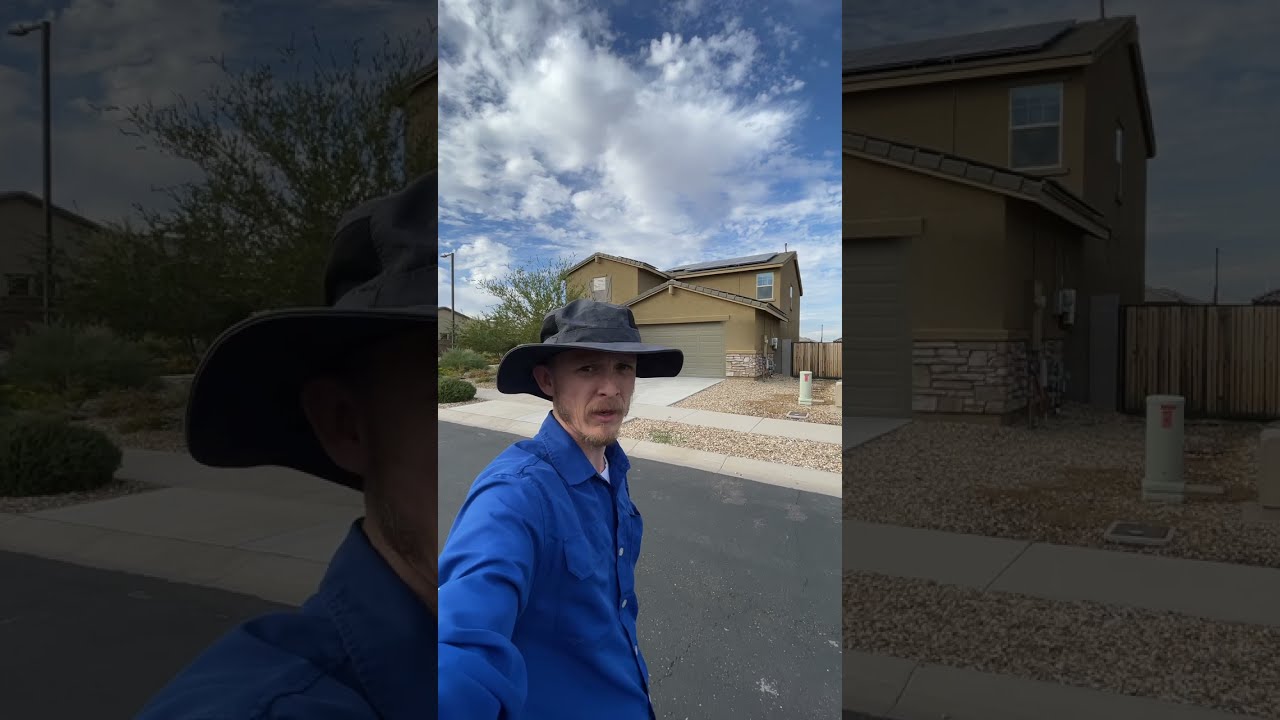
Final thought
A pre‑listing home inspection is a technique, foundation inspection not a rule. It buys you clarity when the market anticipates certainty. It gives you the possibility to repair real issues effectively, to divulge truthfully, and to set a price that matches condition. It also changes the tone of the sale. Rather of reacting to a buyer's home inspection under the weapon, you are the one who already asked the hard concerns and did the responsible work.
If you approach it with a useful mindset, employ a certified, certified home inspector, and act on what you learn, you will stroll into settlements with less unknowns and more leverage. That is the peaceful edge that sells homes quicker and with less drama.
American Home Inspectors provides home inspections
American Home Inspectors serves Southern Utah
American Home Inspectors is fully licensed and insured
American Home Inspectors delivers detailed home inspection reports within 24 hours
American Home Inspectors offers complete home inspections
American Home Inspectors offers water & well testing
American Home Inspectors offers system-specific home inspections
American Home Inspectors offers walk-through inspections
American Home Inspectors offers annual home inspections
American Home Inspectors conducts mold & pest inspections
American Home Inspectors offers thermal imaging
American Home Inspectors aims to give home buyers and realtors a competitive edge
American Home Inspectors helps realtors move more homes
American Home Inspectors assists realtors build greater trust with clients
American Home Inspectors ensures no buyer is left wondering what they’ve just purchased
American Home Inspectors offers competitive pricing without sacrificing quality
American Home Inspectors provides professional home inspections and service that enhances credibility
American Home Inspectors is nationally master certified with InterNACHI
American Home Inspectors accommodates tight deadlines for home inspections
American Home Inspectors has a phone number of (208) 403-1503
American Home Inspectors has an address of 323 Nagano Dr, St. George, UT 84790
American Home Inspectors has a website https://american-home-inspectors.com/
American Home Inspectors has Google Maps listing https://maps.app.goo.gl/aXrnvV6fTUxbzcfE6
American Home Inspectors has Facebook page https://www.facebook.com/americanhomeinspectors/
American Home Inspectors has Instagram https://www.instagram.com/americanhomeinspectorsinc/
American Home Inspectors won Top Home Inspectors 2025
American Home Inspectors earned Best Customer Service Award 2024
American Home Inspectors placed 1st in New Home Inspectors 2025
People Also Ask about American Home Inspectors
What does a home inspection from American Home Inspectors include?
A standard home inspection includes a thorough evaluation of the home’s major systems—electrical, plumbing, HVAC, roofing, exterior, foundation, attic, insulation, interior structure, and built-in appliances. Additional services such as thermal imaging, mold inspections, pest inspections, and well/water testing can also be added based on your needs.
How quickly will I receive my inspection report?
American Home Inspectors provides a detailed, easy-to-understand digital report within 24 hours of the inspection. The report includes photos, descriptions, and recommendations so buyers and realtors can make confident decisions quickly.
Is American Home Inspectors licensed and certified?
Yes. The company is fully licensed and insured and is Nationally Master Certified through InterNACHI—an industry-leading home inspector association. This ensures your inspection is performed to the highest professional standards.
Do you offer specialized or add-on inspections?
Absolutely. In addition to full home inspections, American Home Inspectors offers system-specific inspections, annual safety checks, water and well testing, thermal imaging, mold & pest inspections, and walk-through consultations. These help homeowners and buyers target specific concerns and gain extra assurance.
Can you accommodate tight closing deadlines?
Yes. The company is experienced in working with buyers, sellers, and realtors who are on tight schedules. Appointments are designed to be flexible, and fast turnaround on reports helps keep transactions on track without sacrificing inspection quality.
Where is American Home Inspectors located?
American Home Inspectors is conveniently located at 323 Nagano Dr, St. George, UT 84790. You can easily find directions on Google Maps or call at (208) 403-1503 Monday through Saturday 9am to 6pm.
How can I contact American Home Inspectors?
You can contact American Home Inspectors by phone at: (208) 403-1503, visit their website at https://american-home-inspectors.com/,or connect on social media via Facebook or Instagram
American Home Inspectors is proud to be located in the St. George and Washington County area, serving customers in St. George, UT and all surrounding communities, including those living in Hurricane, Ivins, Santa Clara, Washington and other communities of Washington County Utah.